

The emotional world we are born into has a history. Often, our internal struggles are echoes that have traversed generations, quietly shaping our minds, our relationships, and even our destinies. These inherited emotional patterns can keep us trapped in the same stories as those who came before us. The good news is that we have the power to change the script. Here, we share the practical steps we believe can break the chain and create space for new experiences that truly belong to us.
Understanding inherited emotional patterns
Inherited emotional patterns are not always spoken aloud, yet they are passed down through gestures, silences, emotional absences, and repeated behaviors. We receive them before we even understand the language of feelings. Identifying where these patterns come from is the first step to change—sometimes it feels like carrying a bag that was packed by someone else.
A pattern that is seen can finally be changed.
Step 1: Awareness—spotting the repeating stories
Everything begins with awareness. We notice the moments when our reactions feel larger than the present moment or when we find ourselves following family scripts. Patterns can look like:
- Getting angry at the small things, because this was normal in childhood
- Feeling unworthy of praise, repeating parents’ self-criticism
- Sabotaging relationships or careers at the same age as our role models did
In our experience, journaling, honest conversations, and mindful reflection help us spot these repeating stories. When we notice a recurring theme in several areas of our lives, it’s often the sign of an inherited pattern at play.
Step 2: Understanding the roots—where did it start?
After seeing the pattern, we seek its origins. Was there a repeating worry in our family? A way of coping that everyone shares? Looking for the first moment can soften the hold these emotions have on us. This is not about blaming, but about understanding. When we understand why a pattern exists, compassion can begin to replace frustration.
Step 3: Naming and accepting the emotion
Giving emotions names is a powerful act. If we grew up in an environment where sadness was never spoken, giving it a name as adults can feel strange at first, but it is freeing. We write the emotion down, talk about it with a trusted friend, or acknowledge it internally:
“This is fear. This is sadness. This is the sense of not being enough.”
Acceptance does not mean resignation. Rather, accepting our emotional inheritance gives us space to act consciously, instead of reacting unconsciously.
Step 4: Differentiation—what belongs to us, and what does not?
It is common to carry feelings that, on closer look, may not even belong to us. Sometimes shame, guilt, or anxiety are the “lifelong bags” we inherit from those who came before. We ask ourselves, “Is this mine, or was it passed down to me?”
Visualizing these emotions as objects or colors can help us imagine letting them go. This step gives us permission to return what does not serve us—mentally, emotionally, and energetically.
Step 5: Interrupting the pattern through conscious choice
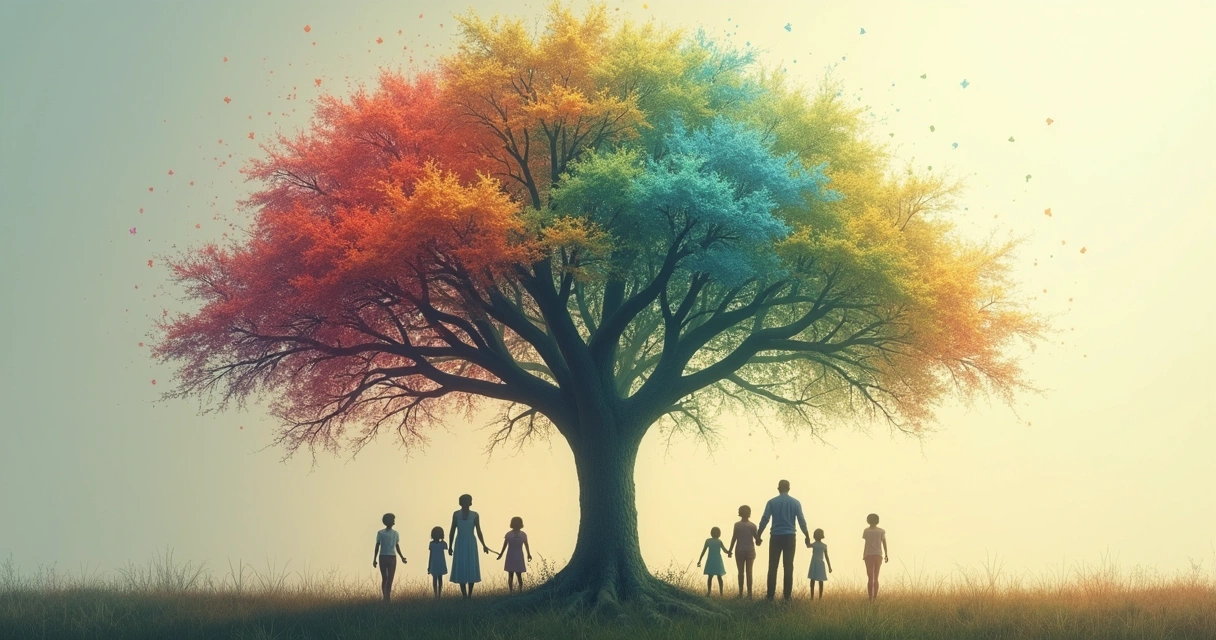
Once a pattern is named and separated from our true self, we begin to choose differently. In moments of challenge, pausing before responding allows us to pick a new route, even if just for a second. The act of doing something new, no matter how small, is the break in the cycle.
We may choose to speak kindly instead of criticizing, or to stay calm when our habit is to become irritated. Every new action, however small, is a signal that we are writing a new emotional future.
Step 6: Practicing new emotional skills
Change does not happen overnight, so we develop new emotional muscles one day at a time. Practicing emotional regulation techniques—breathing, grounding exercises, or mindful presence—supports new responses. Consistency is more powerful than intensity. Over time, the new pattern becomes familiar, while the old one fades.

Step 7: Integrating and reaffirming your new story
The final step to breaking inherited emotional patterns is to integrate new responses into our identity. We keep noticing when old patterns try to return and gently reaffirm our commitment to the new way. Community, support, or personal rituals (like affirmations or celebrating progress) can help anchor these changes.
With time, what was once the family story can become a story of personal choice. The power to choose differently is both a responsibility and a liberation.
Conclusion
Every generation has the capacity to heal what came before and to shape what comes next. In our experience, breaking cycles of inherited emotional patterns is possible—one choice, one moment, and one new story at a time.
The future is written by what we choose to see, to feel, and to courageously change.
Frequently asked questions
What are inherited emotional patterns?
Inherited emotional patterns are learned emotional responses, beliefs, and behaviors that pass from one generation to another through family dynamics and early experiences. These patterns can show up as automatic reactions or repeating themes in relationships and daily life, often without conscious awareness.
How do I break emotional cycles?
To break emotional cycles, we first develop awareness of recurring patterns, explore their roots, accept and name the feelings, and choose new responses intentionally. Small, repeated changes, supported by emotional skills and self-reflection, support lasting change.
Why do emotional patterns repeat in families?
Emotional patterns repeat in families because they are modeled and reinforced through observation, communication, and shared coping strategies. Children absorb emotions and ways of relating by watching caregivers, leading to unconscious repetition across generations.
Is it worth trying to break these patterns?
We believe breaking inherited patterns brings more freedom, healthier relationships, and a stronger sense of self. It can sometimes be challenging, but it allows us to live more authentically and to influence future generations positively.
Can therapy help with inherited emotions?
Yes, therapy can be a supportive way to understand, process, and transform inherited emotional patterns. It offers a safe environment to explore emotions, recognize root causes, and practice new ways of relating to ourselves and others.