


Every day, we make choices that ripple out into our lives and affect the world around us. Some are large, like which job to accept or how to raise our children. Others are almost invisible, such as the tone we use with a friend or how we react to unexpected news. The thread that unites these choices is human valuation: the way we assign worth, meaning, and importance to the options before us.
In our experience, learning to ground our decisions in clear valuation is one of the best things we can do for both our growth and for building a better society. When our decisions align with what we truly value—consciously, emotionally, and ethically—we create outcomes that feel right, not just efficient or expected.
Every decision is a vote for the kind of person—and the kind of world—we wish to build.
Why does human valuation matter?
Sometimes, we don’t realize just how many decisions we make using borrowed standards or habits. We might default to the loudest voice, the quickest path, or the safest tradition. Yet, real change happens when we pause to ask what truly matters to us as humans. The act of valuation is what makes decision-making both meaningful and impactful.
We see that human valuation works on three core levels:
- Personal: What we want, need, or become happier by choosing.
- Relational: How our choices affect others and shape relationships.
- Societal: The broader effects on our communities, workplaces, and world.
When we ignore any of these levels, decisions may feel disconnected or hollow.
Identifying what really matters to us
We believe one of the hardest, yet most rewarding, practices is learning to see under the surface of our immediate preferences. If we let impulse or external pressures decide for us, our actions lack depth. But when we take the time to connect with our own values, decision-making becomes both simpler and more profound.
Here’s how we often recommend starting:
- Pause before reacting. When facing a decision, even a small one, give yourself a moment to breathe. Quick reactions may come from habit or fear, not value.
- List what’s at stake. Put the actual options, consequences, and stakeholders on paper. Try to notice both short- and long-term effects.
- Sense inward. Ask, “What do I care about here? What would feel right, even if nobody else saw my choice?”
- Consider invisible impacts. Not all consequences are immediately visible. How would your decision influence others’ feelings, motivation, or trust?
- Revisit old patterns. Notice if your choices echo old habits or beliefs. Sometimes, past experiences shape our valuation more than we realize.
Little by little, these steps can help turn vague preferences into clear values.
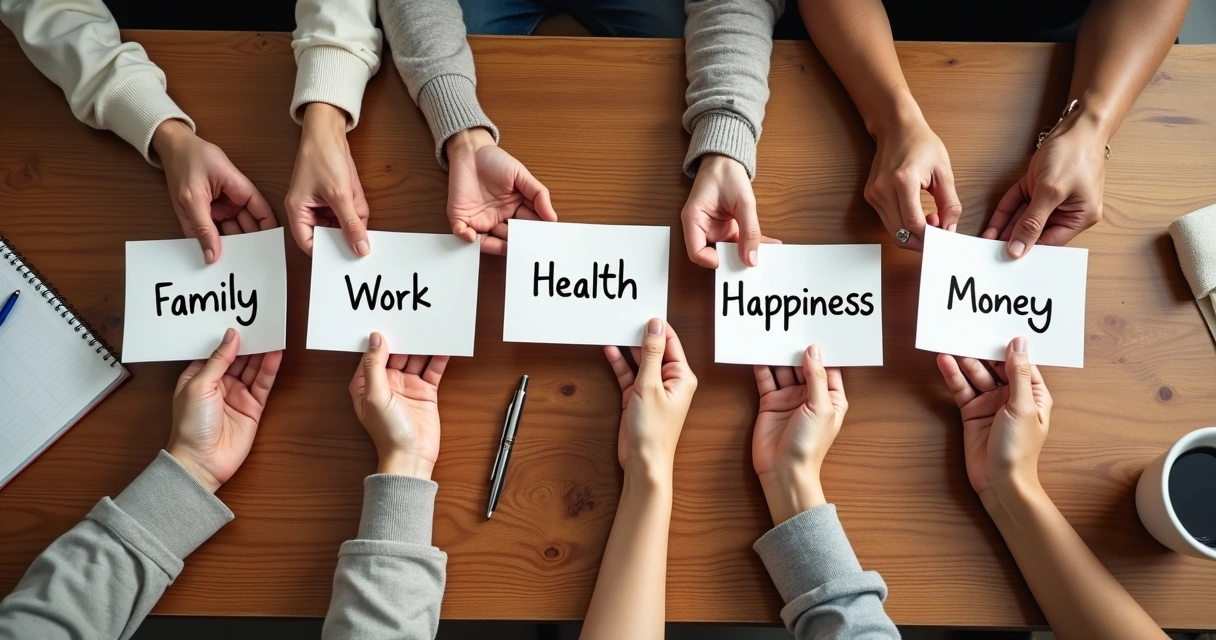
Steps for practical human valuation in daily choices
Applying valuation isn’t about making perfect choices—it’s about making real choices, shaped by awareness. We see some practical steps repeated in our own lives and with those we work alongside:
Clarify your core values
Write down five words or phrases that represent things you care about most. They might include honesty, security, creativity, kindness, learning, or community. Check these against recent decisions: did your actions line up with these values? If not, what got in the way?
Weigh consequences, not just outcomes
Focus not only on what’s achieved, but on how and why. For example, if choosing between two jobs, don’t only compare salary and status. Consider how each aligns with your sense of self, ethics, growth, and well-being.
Check for emotional resonance
We often ask ourselves: “Does this choice feel quiet or tense inside?” Sometimes, our emotional responses tell us when a decision is truly aligned with our values. This doesn’t mean chasing comfort—growth can be uncomfortable. But a lasting sense of rightness comes when valuation and emotion match.
Imagine future reflection
Pause for a moment and picture yourself weeks, months or years from now. How do you imagine looking back on this decision? If regret, relief, or pride appears, listen to these signals. They provide another layer of valuation over pure logic or pressure.
Balance individual and collective effects
We have found that the best decisions consider both personal happiness and the broader effect on others. Before making a choice, ask: Who else is impacted, and how would I feel in their place?
Practice small, then go bigger
It can help to start with low-stakes choices. Try these steps with daily actions—a conversation, spending, a plan for your weekend. Over time, your ability to value wisely grows for bigger decisions, too.
Common obstacles and how to overcome them
True, decision-making can feel overwhelming at times. We sometimes hesitate and freeze, or rely too much on others’ expectations. Recognizing and working with these blocks is part of the practice.
- Fear of missing out: Remind yourself that saying “yes” to one path means saying “no” to others. That’s natural—focus on depth over breadth.
- Pleasing others: Seek feedback, but don’t silence your own valuation. Authentic choices inspire real respect.
- Decision fatigue: Limit big decisions when you’re tired or upset. Rest, recharge, and revisit important valuations when clear-headed.
- Unresolved emotions: Notice if old anger, sadness, or shame clouds your ability to see what you value now. Sometimes, a pause to reflect or talk things through helps bring clarity.
These are all natural responses. With attention, they lose their power to steer us away from our true values.

Staying present with your choices
We think that the way we choose shapes us, just as much as the outcomes of choices themselves. Valuation isn’t a one-time act, it’s a practice we return to daily. The more present we are with our decisions, the more we create a life that matches who we really are.
Small steps in valuation, repeated often, create big changes over time.
Conclusion
Valuing our choices has nothing to do with perfection, and everything to do with honesty and presence. By learning to slow down, clarify what matters, and look beyond quick rewards or shallow habits, we bring dignity back to everyday decision-making. Every conscious choice is an act of self-respect and quiet leadership. With practice, human valuation turns from abstract idea into a lived path—one that shapes not just our days, but the culture we pass forward.
Frequently asked questions
What is human valuation in decision-making?
Human valuation in decision-making means identifying, weighing, and honoring what matters most to us as we choose. It goes beyond surface-level wants to include our deeper values, emotions, and sense of responsibility to others. It’s about asking not just “Is this possible?” but “Is this meaningful for myself and those around me?”
How can I improve my daily decisions?
Improving daily decisions starts with slowing down and questioning automatic reactions. We recommend pausing, identifying your true values, and considering both short- and long-term effects of each option. Over time, practicing this process makes decisions feel clearer and more authentic.
What are the best steps for valuing choices?
Some helpful steps include clarifying core values, considering invisible impacts, checking emotional responses, imagining future reflection, and balancing individual with collective effects. The best steps are the ones that help you stay honest with yourself and include the well-being of others.
Is it worth it to analyze every decision?
Not every choice needs deep analysis. For small decisions, habits or quick feelings may guide us well. But for bigger or repeated decisions, it pays to pause and check the alignment with our values. Choose reflection when the stakes—emotional or social—are higher.
How do I prioritize options effectively?
We suggest ranking your options using core values as a filter. Ask which choice best matches your list of what matters most, and which offers the most positive impact over time. When facing uncertainty, it’s helpful to write down pros and cons and check with trusted people, but keep your values at the center of the process.