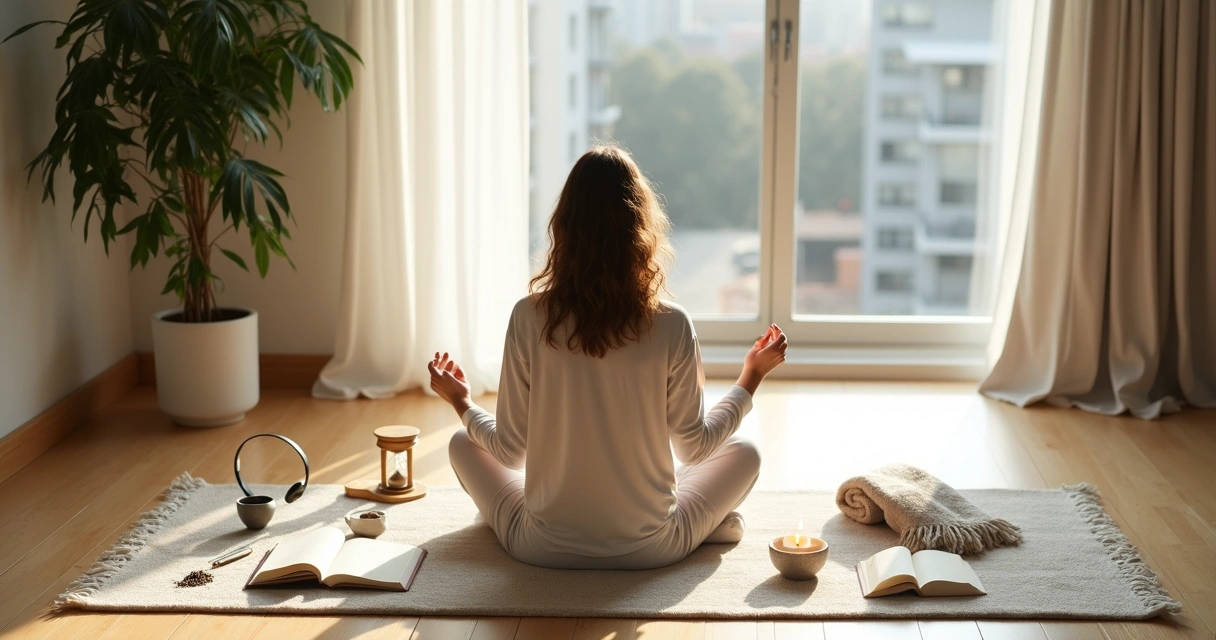
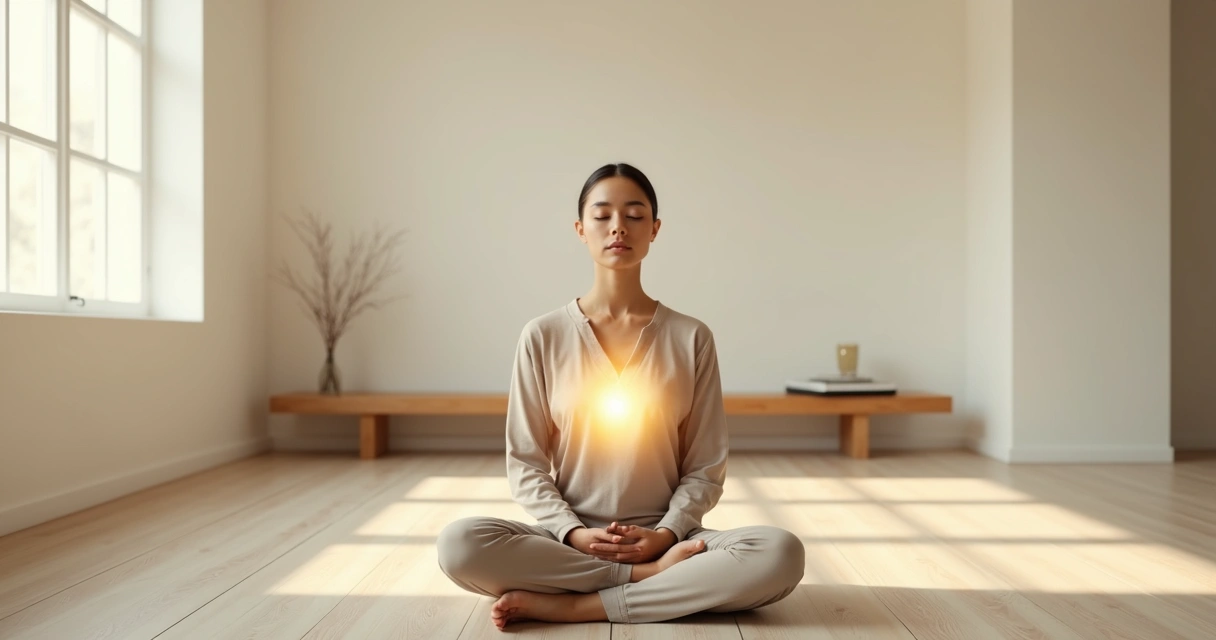
In the middle of daily demands and constant information, our minds often turn into crowded places, full of internal conversations, doubts, and stray emotions. Most people feel this noise, but few take active steps to quiet it. We believe that learning to calm internal noise is not only possible, but also a real foundation for a clearer, more ethical, and responsible life.
Marquesian meditation isn’t about denying what we feel or think. Instead, it is a practice of seeing, feeling, and understanding what takes place within us. Only through this honest relationship with our inner world can we influence the world outside.
We are more powerful within than we often realize.
Why does internal noise seem to grow?
We have noticed: internal noise grows as we accumulate unprocessed emotions, scattered thoughts, and unresolved conflicts. It can start small, with a passing worry or an old frustration, but over time, these fragments pile up. The mind becomes like a busy street—full of distraction, competing ideas, and emotional echoes.
Internal noise is not just the result of stressful days, but the build-up of everything that goes unaddressed. It mirrors our unresolved past and our relationship with ourselves in the present. Learning to quiet it is learning to live in conscious presence.
How does Marquesian meditation help?
In our view, the main strength of Marquesian meditation is the way it unites clear awareness with acceptance and responsibility. It is less about shutting down the mind and more about creating a relationship with every part of ourselves.
- Awareness: Seeing thoughts and emotions as they truly are.
- Acceptance: Allowing space for what arises, without repression.
- Responsibility: Choosing how to respond, instead of acting from habit.
When we bring these principles into practice, noise turns into wisdom. Fear loses its grip. Our sense of direction returns. The following are the five ways we recommend to calm your internal noise through Marquesian meditation.
The first way: Returning to conscious presence
The first practice is to return, again and again, to the present. Most internal noise draws its strength from regrets about the past or anxieties about the future. Being present is not simply noticing our breath or surroundings, but choosing to anchor attention to the now, even when storms are raging inside.
We suggest a short exercise: Whenever emotional or mental noise rises, pause. Breathe deeply. Bring your attention to your body’s contact with the chair. Notice one thing you can see, hear, smell, or feel now. The mind may try to drift, but we bring it back—over and over—without harshness, but with gentle commitment. Each return is a victory.

The second way: Emotional self-inquiry without judgment
Internal noise is often just emotions asking to be heard. We find that when emotions are pushed away, denied, or judged, they grow louder, fighting for attention. Marquesian meditation offers a space to welcome our emotions—not to act them out, but to witness them.
Ask inwardly, “What am I feeling right now?” Then, listen. Let answers come without censorship or rationalization. Maybe you notice anger, sadness, or excitement. Instead of labeling them as right or wrong, simply notice. Over time, our practice reveals that listening to emotions quietly leads to their natural transformation. We stay with what is, until it changes—because what we accept begins to move.
The third way: Narrative observation and gentle untangling
So much noise comes from our internal stories: “I should have done better,” “People don’t understand me,” “Something bad might happen.” These narratives run below the surface, coloring every thought and feeling. Through meditation, we can start to notice those stories as just that—stories.
Try this: When you catch yourself in repetitive thoughts, ask, “What story am I telling myself?” Write it down or just repeat it slowly, as if hearing it for the first time. Often, the act of observing helps loosen their grip. We may see that these stories are learned responses, not facts. With practice, the grip of automatic narratives weakens, giving space to new choices.

The fourth way: Integrating body and mind through breath
In practice, the mind’s noise often disconnects us from the body. We find that returning to simple sensations through breathing brings union between thoughts and physical being. One of the simplest steps is intentional breathing—slow and steady—feeling the air enter, fill, and leave the body.
We also like to scan the body during meditation. Start at the head, gently move awareness downward, and notice tension or restlessness. Sometimes, awareness alone brings release. If not, simply give kind attention. The breath is our bridge. Over time, the partnership between mind and body grows stronger, turning noise into peaceful presence.
The fifth way: Reclaiming responsibility and intention
If we simply try to “silence” the noise, it tends to return. What often makes the difference is our conscious intention. Marquesian meditation teaches us that we can choose the quality of our attention, the attitude with which we approach internal experience, and the way we respond once the meditation ends.
- Set an intention at the start of each practice: “Today, I choose to be gentle with myself.”
- Finish by asking, “What is one small way I can act with more clarity or presence based on what I have noticed?”
- Remember, change starts inside. Then it extends out to our work, our families, and every relationship.
From intention, shapes a new world—within and beyond.
Conclusion: The path of less noise and deeper presence
We all live with internal noise at times. In our experience, what makes the difference is not whether we have it, but what we do with it. Marquesian meditation offers a series of real, lived tools—returning to presence, inquiring without judgment, observing stories, connecting breath and body, and taking responsibility for our response.
The way forward is not to push noise away, but to meet it with clarity, presence, and intention. When we shift how we relate to our thoughts and emotions, we change the ways we act, choose, and influence the world around us. Step by step, the practice of calming internal noise becomes a daily invitation to personal growth and collective transformation.
Frequently asked questions
What is Marquesian meditation?
Marquesian meditation is a conscious practice that focuses on integrating awareness, acceptance, and responsibility for thoughts, emotions, and internal narratives. Its aim is not merely to quiet the mind but to foster a genuine relationship with our inner experience, so we can make more conscious choices outwardly.
How does Marquesian meditation calm the mind?
Marquesian meditation calms the mind by guiding us to notice and accept our thoughts and emotions without judgment. Instead of trying to silence the mind forcefully, the practice encourages returning to the present, observing internal stories, and using breath as a tool to link body and mind. Over time, this reduces reactivity and helps develop a calmer, more present awareness.
What are the five ways mentioned?
The five ways are: returning to conscious presence, practicing emotional self-inquiry without judgment, observing and loosening mental narratives, integrating the body and mind through breath, and reclaiming responsibility and intention in our inner life. Together, they provide a step-by-step structure to quiet internal noise and support emotional maturity.
Is Marquesian meditation worth trying?
We believe Marquesian meditation is worthwhile for anyone seeking a more present and clear relationship with their inner world. It offers concrete practices, promotes self-knowledge, and can influence well-being, focus, and relationships outside the meditation space. The results often speak for themselves after regular practice.
Can anyone practice Marquesian meditation?
Yes, Marquesian meditation is accessible to anyone, regardless of experience. Each practice can be adjusted for individual needs, backgrounds, and schedules. The path begins with willingness and gentle curiosity, making the benefits available to all who wish to engage with their inner world and bring more peace to daily life.