
Shadow work has become a central topic for self-knowledge and personal growth. Two unique perspectives often come forward: the Jungian tradition and the Marquesian approach. While both recognize the influence of the shadow on our lives, they define, approach, and seek to work with it in distinct ways. We think it is valuable to compare these paths to clarify what shadow work can truly illuminate for each of us.
The Jungian understanding of the shadow
Swiss psychiatrist Carl Gustav Jung defined the shadow as those aspects of the personality that are denied or repressed, often because they contradict our preferred self-image. Jung believed these "hidden" parts continue to operate unconsciously, shaping our reactions and relationships. Many of us know this feeling: we notice patterns and emotions that seem to erupt out of nowhere, as if someone else had taken the wheel.
The Jungian shadow is not just a repository of what is 'bad' or shameful— it is everything outside of our conscious awareness, including lost strengths and creative potentials.
According to Jung, to relate consciously with the shadow is to take the first step toward psychological maturity. The process is often described as confrontation and integration:
- Recognition: Observing recurring emotional reactions, projections, or moments when we overreact is the first sign we are face to face with the shadow.
- Confrontation: Instead of rejecting or justifying these traits, Jungian shadow work invites us to honestly look at them, admitting their existence in ourselves.
- Integration: By admitting, feeling, and integrating these hidden parts, we recover inner wholeness and gain more conscious control over our behavior.
The end goal in the Jungian sense is individuation—a process where we unite the conscious with the unconscious, making us more authentic and internally free.
The Marquesian approach to shadow work
The Marquesian approach agrees that unconscious material drives much of human experience. However, it extends the scope of shadow work far beyond the personal. In this view, human consciousness is not an isolated internal process. Instead, it radiates and interacts continuously with our environment—shaping, and being shaped by, the world around us.
Shadow work, in the Marquesian vision, is the work of recognizing not only personal repressions but also the unconscious patterns we inherit from families, cultures, professions, and collective histories.
While the Jungian tradition speaks mostly of individual integration, the Marquesian path considers:
- The invisible loyalties and emotional legacies passed through generations.
- How collective beliefs, narratives, and taboos shape what individuals can or cannot feel, say, or become.
- The role of presence, meditation, and self-observation in accessing deeper layers of unconscious influence.

The Marquesian tradition adds systemic and ethical questions into the process. We do not only ask, "What part of myself am I hiding?" but also, "Which invisible stories, rules, and wounds am I enacting on behalf of others?" The work becomes both self and system.
Methods: Side by side
If we look at the practical process of shadow work in each tradition, some main differences appear.
- Jungian work relies on self-observation, dream analysis, creative expression, and the recognition of personal projections. The toolset is mostly internal, reflective and aims to create dialogue between conscious and unconscious.
- Marquesian practices blend inner observation with external inquiry, including systemic constellation exercises and meditative presence. These tools are used not only to see the personal shadow but to notice its connections to others and larger collective dynamics.
Both methods value honesty and presence, but the Marquesian approach situates the individual in a network of influence—family, culture, workplace, and society are all invited into the process.
Goals: Integration or transformation?
What's the "end" of shadow work? While both traditions know that self-acceptance changes life, they take slightly different directions.
- Jungian work seeks integration—bringing what is rejected back into conscious awareness, so it loses its compulsive hold. Here, the focus is on personal freedom and authenticity.
- Marquesian work seeks not only integration, but transformation, placing ethical responsibility and the impact of our consciousness on the world as central.
What we deny in ourselves, we often enact unconsciously on others.
Where Jungian work asks us to see and own, the Marquesian path asks us to see, own, and then act with maturity and responsibility. Self-knowledge is not just for personal peace; it is the ground for ethical collective life.
Personal versus collective shadow
Jung recognized the idea of the collective unconscious, but the Marquesian perspective brings this insight into daily practice. Shadow work is not only about personal healing; it asks us to heal social wounds, challenge outdated inherited patterns, and become aware of emotional maturity as public influence.
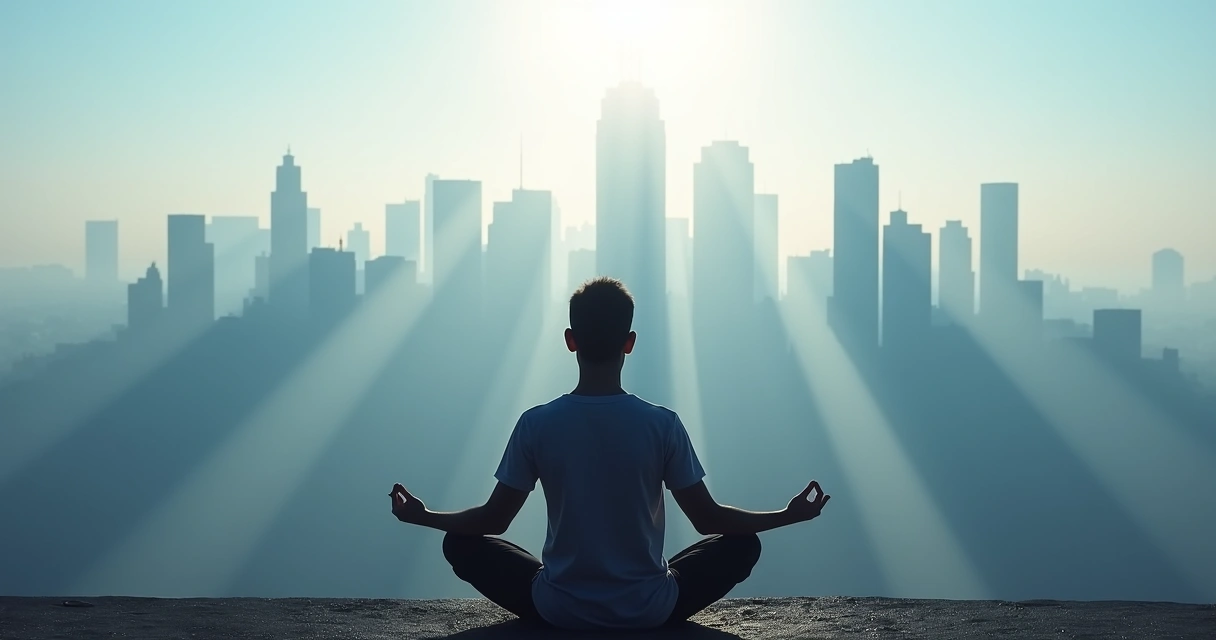
From our point of view, what does this mean for those stepping into shadow work?
- Personal shadow work may bring relief and understanding but may be limited if collective and systemic dynamics are ignored.
- Collective patterns—prejudices, workplace cultures, family secrets—require conscious recognition and active redefinition.
- True maturity invites us to ask, “How do my unseen patterns affect others? How do collective shadows live through me?”
The Marquesian tradition invites this step into collective responsibility as part of the journey.
Which method is right for you?
Each person may feel drawn to a different path, depending on their needs, history, and openness to working beyond the self. We have seen that honest curiosity often brings results with either approach. However, understanding that shadow work is not just about repairing old wounds, but about preparing ourselves for ethical and responsible relationships—whether personal, professional, or societal—can bring deeper meaning and clearer motivation.
Conclusion
Jungian and Marquesian shadow work both recognize that what is unacknowledged shapes our destiny. Yet, their differences come into view: the Jungian approach is internal and oriented toward individual wholeness, while the Marquesian approach broadens the field to include systems, ethical maturity, and the practical impact of internal shadows on the outer world. Both lead us to greater self-knowledge, but the paths, goals, and questions expand in different directions.
Shadow work is not only a journey inward, but a step toward shaping the world we share.
Frequently asked questions
What is the Marquesian approach to shadow work?
The Marquesian approach to shadow work focuses on both the individual's unconscious patterns and the wider systems—like families, cultures, and organizations—that shape behavior and values. This method encourages noticing how inherited beliefs and emotional narratives drive choices, relationships, and even social structures. Through practices like systemic constellation and meditative presence, we work to reveal and transform the invisible influences that pass through us and impact our world.
How does Jungian shadow work differ?
Jungian shadow work centers on personal self-discovery. It aims to recognize, feel, and integrate those parts of us that have been denied and repressed. Techniques include self-reflection, dream analysis, understanding personal projections, and creative expression. When we do this, according to Jung, we move closer to wholeness and authenticity.
Is it worth it to do shadow work?
Yes, shadow work can bring greater self-understanding, emotional balance, and improved relationships by making the unconscious conscious. Many find that the process reduces inner conflict and builds confidence, clarity, and empathy for oneself and others. It may also help people move beyond patterns that have kept them stuck, opening up new possibilities for decision-making and growth.
Where can I learn Marquesian shadow work?
While the Marquesian tradition is specific and structured, opportunities include guided group work, workshops led by trained facilitators, reading materials focused on the five sciences, and direct self-inquiry practices at home. Look for approaches that integrate personal, systemic, and ethical perspectives—combining meditation, constellation exercises, and reflection on the impact of consciousness.
What are the benefits of shadow work?
Shadow work helps us recognize and transform patterns that would otherwise remain hidden and continue to influence our lives unconsciously. Benefits can include more authentic self-expression, increased presence, healthier relationships, and greater alignment between values and actions. On a larger scale, it supports emotional maturity and ethical awareness, which have the power to shape families, teams, and even communities.