


Every family has rules, spoken and unspoken. Some rules live in the open: Table manners, curfews, what happens on holidays. The rest live in silence, shaping relationships from the shadows. These are silent agreements—unwritten contracts that everyone seems to know, but nobody really talks about out loud.
Silent agreements shape us before we even realize it.
We have all witnessed these silent understandings, whether it's knowing who cleans up after dinner, who is expected to call first, or whose emotions are allowed space at the table. These agreements often go unnoticed, but their impact can be deep, lasting, and sometimes difficult to break.
What are silent agreements, really?
Silent agreements are the rules that govern family dynamics without ever being spoken. They can sound like, “We don't discuss certain topics,” or, “Dad's anger is never challenged.” Sometimes, it means sacrificing personal needs for the comfort of others. If we look closely, we see patterns and scripts handed down through generations, learned in subtle expressions, glances, and gestures.
These agreements are created from early experiences, beliefs, and the need to keep peace or avoid discomfort. Often, they grow quietly over time. They are rarely named. And yet, they determine how love, support, and even pain move within a family.
Where do these agreements come from?
Silent agreements often begin before we are old enough to name them. As children, we observe, absorb, and adapt to the emotional climate at home. We learn how to belong and how to avoid conflict. Over time, these behaviors get woven into family culture.
- A child sees that questioning a parent brings tension, so they stop asking questions.
- Siblings notice mom gets anxious when there is an argument, so everyone pretends conflict doesn’t exist.
- One family member does well in school, so they become the "responsible" one—expected to hold things together.
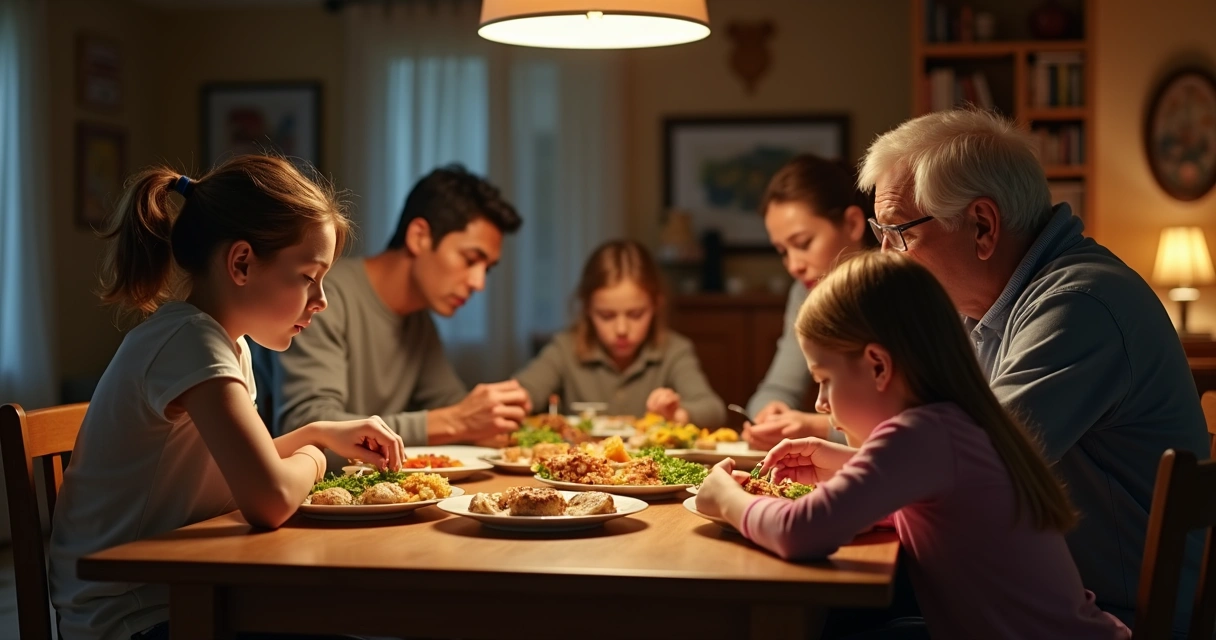
In families, silent agreements are passed down not just in words, but in sighs, pauses, changed subjects, and who is listened to at the dinner table. The deeper the silence, the more powerful the agreement.
How silent agreements play out in everyday life
We think of family as a place of support, but it is also a system, held together by expectations and habits. Silent agreements can dictate who sacrifices and who leads, who apologizes and who is forgiven.
- A parent silently agrees to shelter a child from hard truths, hoping to protect them.
- Children may agree to never speak about a sibling's struggles, to keep the family image intact.
- Teenagers agree, silently, that seeking help is a sign of weakness, because that’s what they have seen modeled at home.
Over time, these patterns can start to feel natural—even when they are not healthy or balanced.
Why silent agreements matter more than we think
Silent agreements can protect or limit us. Sometimes, they help families cope through hard times. But often, they stop real connection and block needed growth.
When everyone knows what not to say, the truth never gets spoken. No one talks about grief, loss, or even joy. Hurts go unaddressed. Support is assumed but never clear. People grow up not knowing what they are really allowed to feel or ask for.
These agreements don’t just shape conversations. They shape hearts and futures.
What goes unspoken echoes the loudest.
We have seen how these invisible rules can lead to:
- Unquestioned loyalty, even when it feels heavy
- People feeling alone while surrounded by family
- Unexpressed grief, anger, or dreams
- Hidden resentment that builds over the years
It’s easy to wonder, then: Why are families so resistant to talking about these things?
Why silence is sometimes safer
For many, not talking about certain topics feels protective. The discomfort of facing a hidden pain or unfairness is real. Sometimes families worry that bringing something into the open will cause everything to fall apart. There is a fear: If we say it out loud, things could change permanently.
So, silence feels easier. Agreements stay unspoken, and life carries on—at least on the outside.
But inside, these quiet contracts shape choices. We see adults who cannot voice their needs, or children afraid to ask questions. Relationships stay on the surface. Growth is limited, and sometimes pain is passed from one generation to the next.

Can silent agreements change?
Change begins with awareness. Once we notice the ways silent agreements operate, it becomes possible to question them. Who benefits from this agreement? Who feels hurt by it? Sometimes, simply naming an unspoken rule out loud is enough to weaken its hold.
It can feel awkward to challenge family routines. Still, small steps make a big difference. We have observed some simple but effective actions that can help:
- Talking about feelings openly, even when it’s hard
- Listening to what each person needs
- Admitting when we don’t know how to talk about something
- Trying new ways to handle disagreements
Family is the first place where we learn how to be seen, heard, and accepted. When we change a silent agreement, we make space for new stories, new connections, and new possibilities.
The quiet shift toward more honest families
When even a single person chooses to speak honestly, it creates an opening. That moment of courage might feel small, but it can ripple through the family. Sometimes, it takes time for everyone to adjust. There may be resistance, tears, or awkward silences.
But over time, we have seen that new agreements—ones that are spoken and mutual—are stronger than old silences. Families become more resilient and authentic.
Breaking silence is the first step to real connection.
In our experience, families who recognize and shift their silent agreements learn a new language: the language of shared realities and chosen bonds. It is never too late to begin.
Conclusion
Silent agreements in families are powerful, shaping who we are without ever needing to say a word. Their strength lies in their invisibility. By noticing them, by speaking even when it is uncomfortable, we open the door to healthier relationships and genuine understanding. Families change when we bring the hidden into the light and make new, shared agreements together.
Frequently asked questions
What are silent agreements in families?
Silent agreements in families are unspoken rules or expectations that guide how members interact, feel, and behave, without ever being discussed openly. These agreements often shape daily routines, boundaries, and emotional responses within the family.
How do silent agreements affect relationships?
Silent agreements can both help and hurt family relationships. They sometimes keep peace in the short term, but in the long run, they often limit honest connection and open communication. People may feel misunderstood or unsupported if the agreements go unquestioned.
How can I identify silent agreements?
Look for patterns: What topics get avoided? Who always sacrifices, and who is allowed to express anger? Silent agreements often show up in predictable routines or reactions. If you notice yourself acting in a way that feels automatic or unexamined, there may be a silent agreement in play.
How to address silent agreements at home?
Start by naming what you notice. Gently talk with family members about these patterns. Ask open questions, share your feelings honestly, and be willing to listen. Change can take time, so patience and kindness matter. Even small steps toward open conversation can help shift old agreements.
Are silent agreements harmful or helpful?
Silent agreements can be helpful when they create stability or support. However, many silent agreements limit real connection and prevent honest communication, especially when rooted in fear or avoidance. Examining them allows families to keep what supports them and change what holds them back.